hotel medium sitges park
History
Best price guaranteed
Free cancellation
Exclusive rates
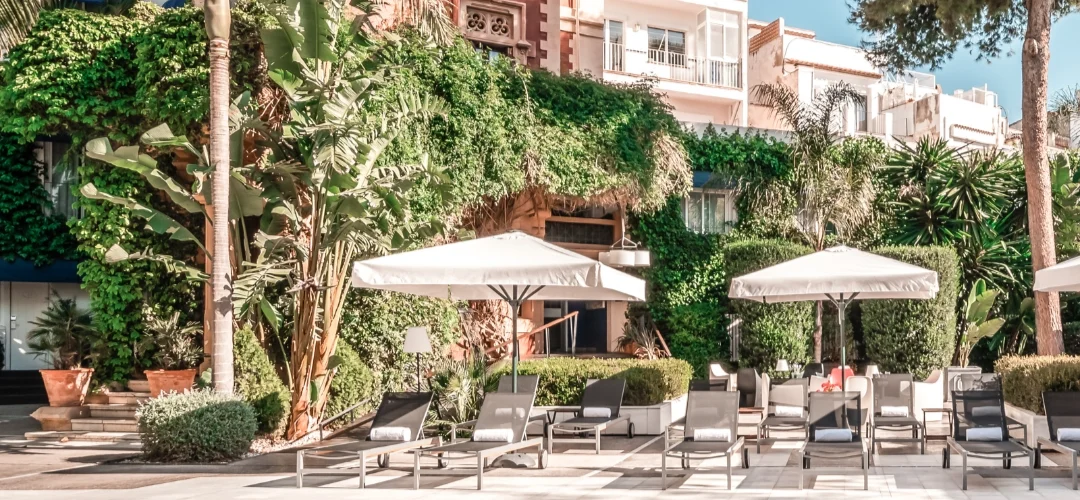
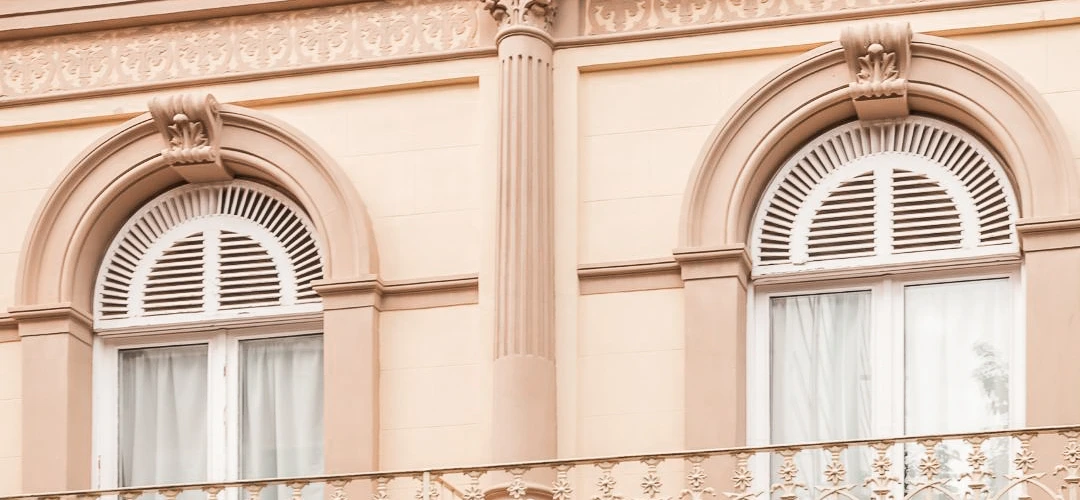
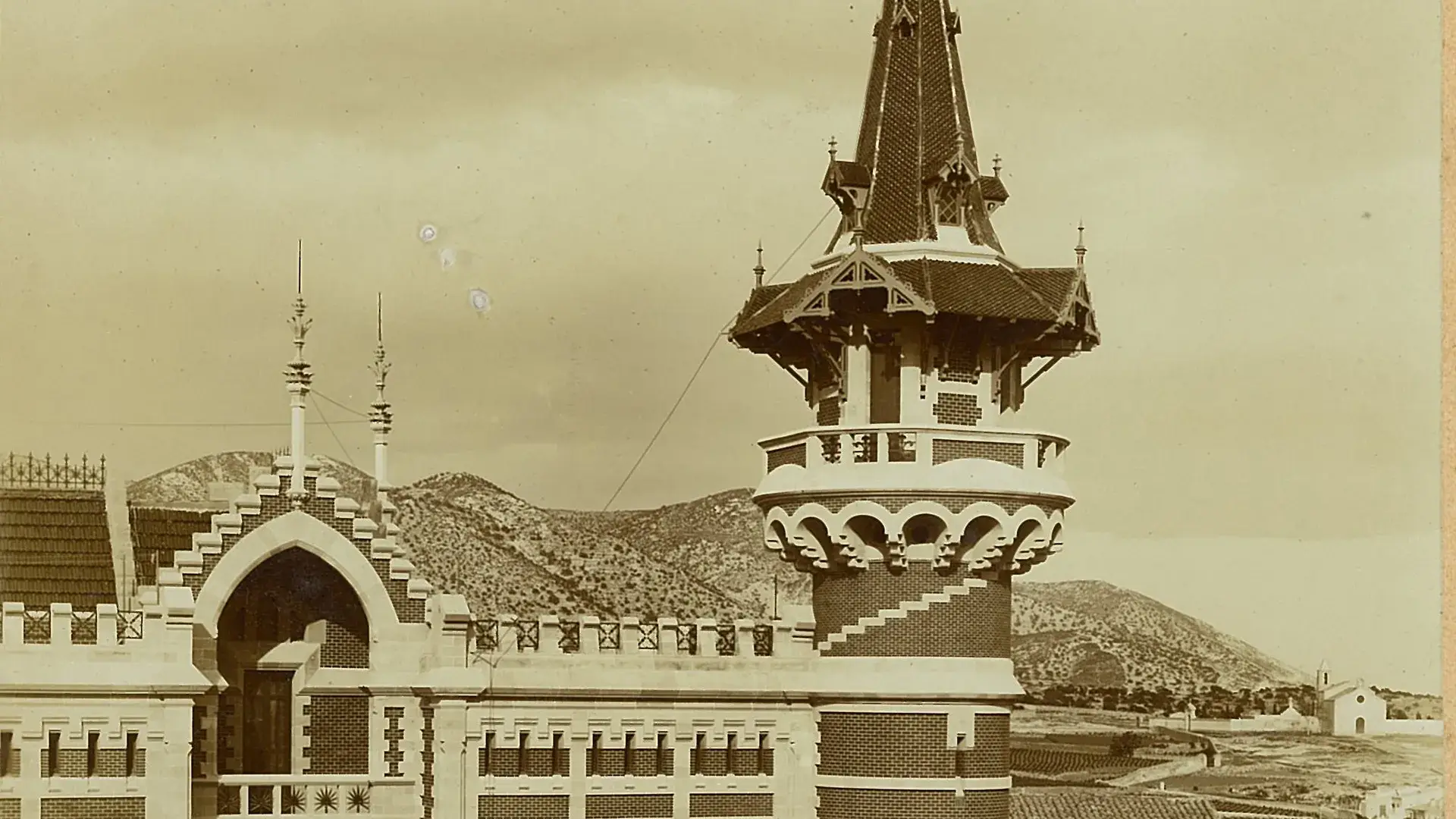
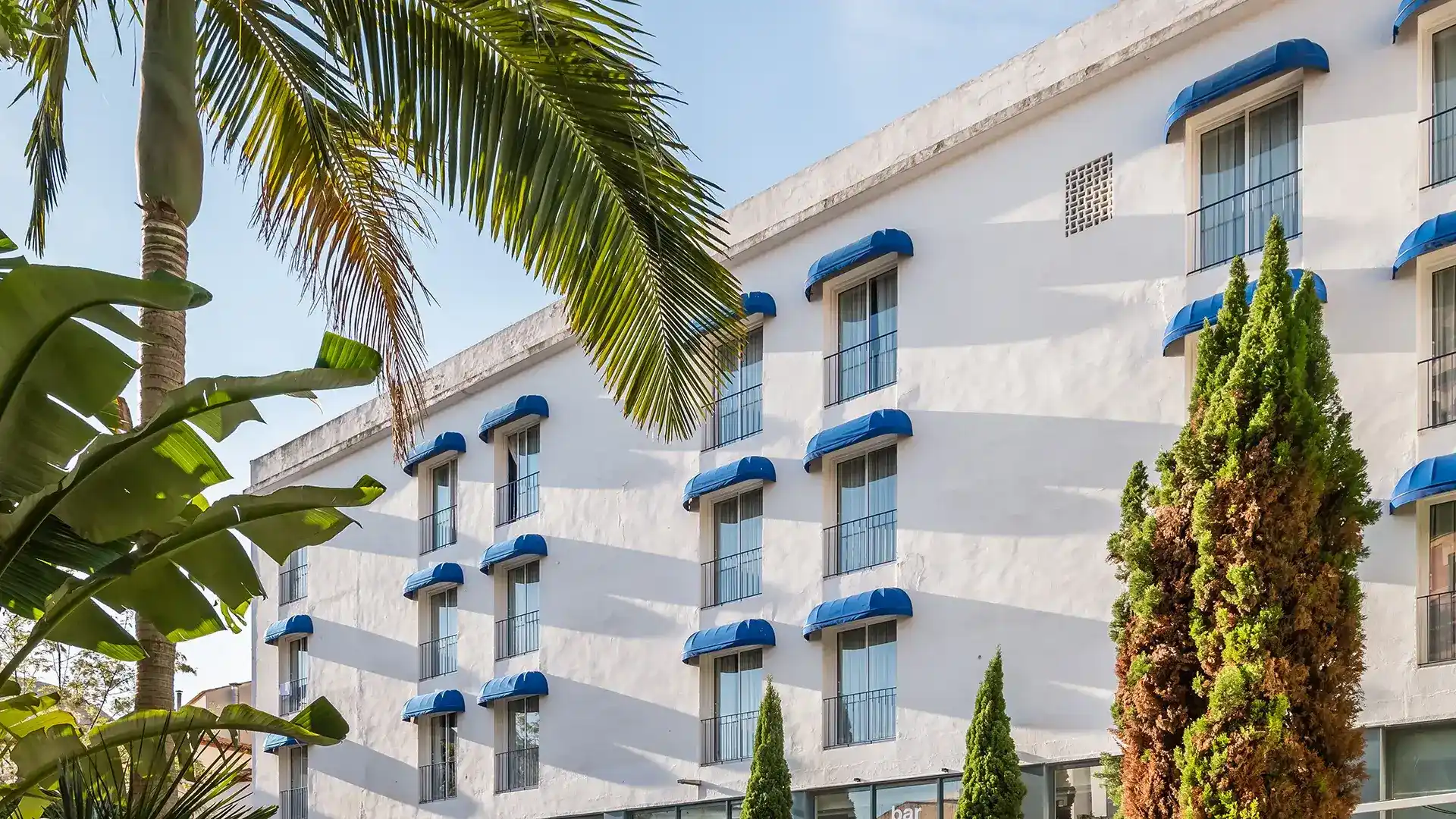
The architecture, along with other characteristic elements of the colonial style, such as the palm trees in the gardens, are typical features of the era in which the hotel was built.
Origins
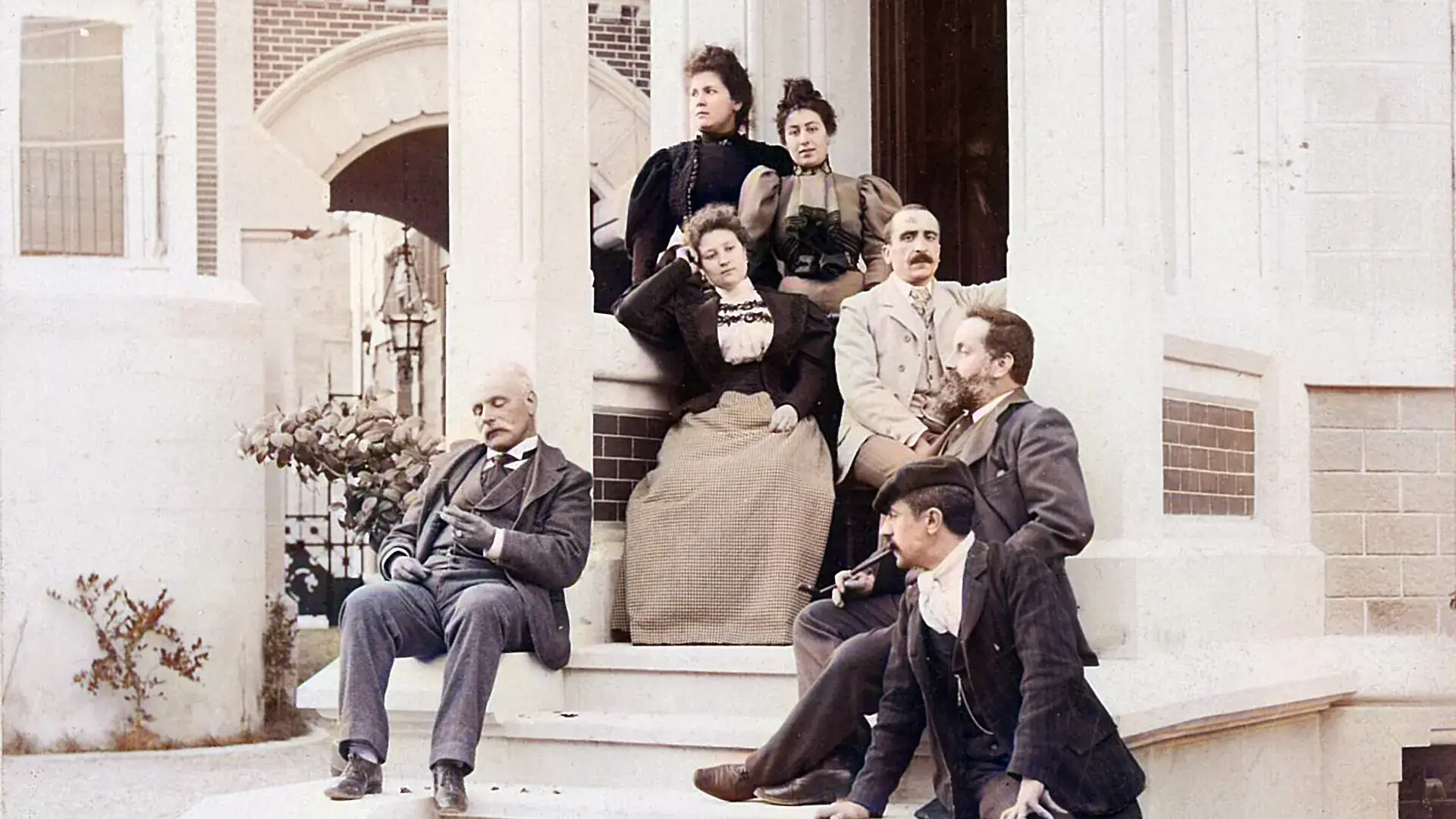
It was in 1896 when the prestigious architect Gaietá Bohigas built the house intended for the family of Severiano Virella Cassañes, son and heir of Francisco Virella, an “indiano” (a Spaniard who struck it rich in the Americas) who made his fortune in Venezuela and was the owner of “La Deseada”, a large agricultural estate where corn and tobacco crops predominated.
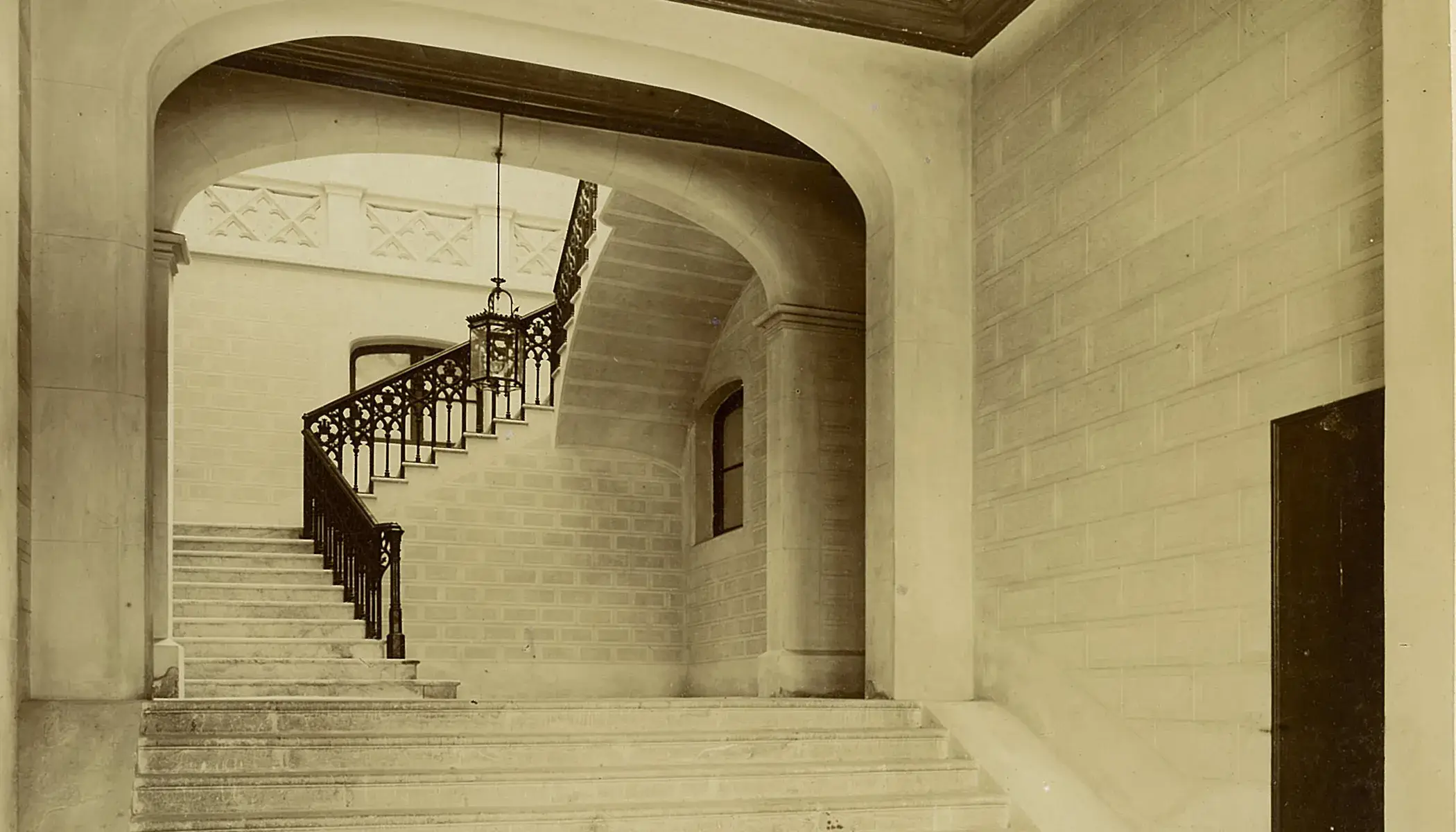
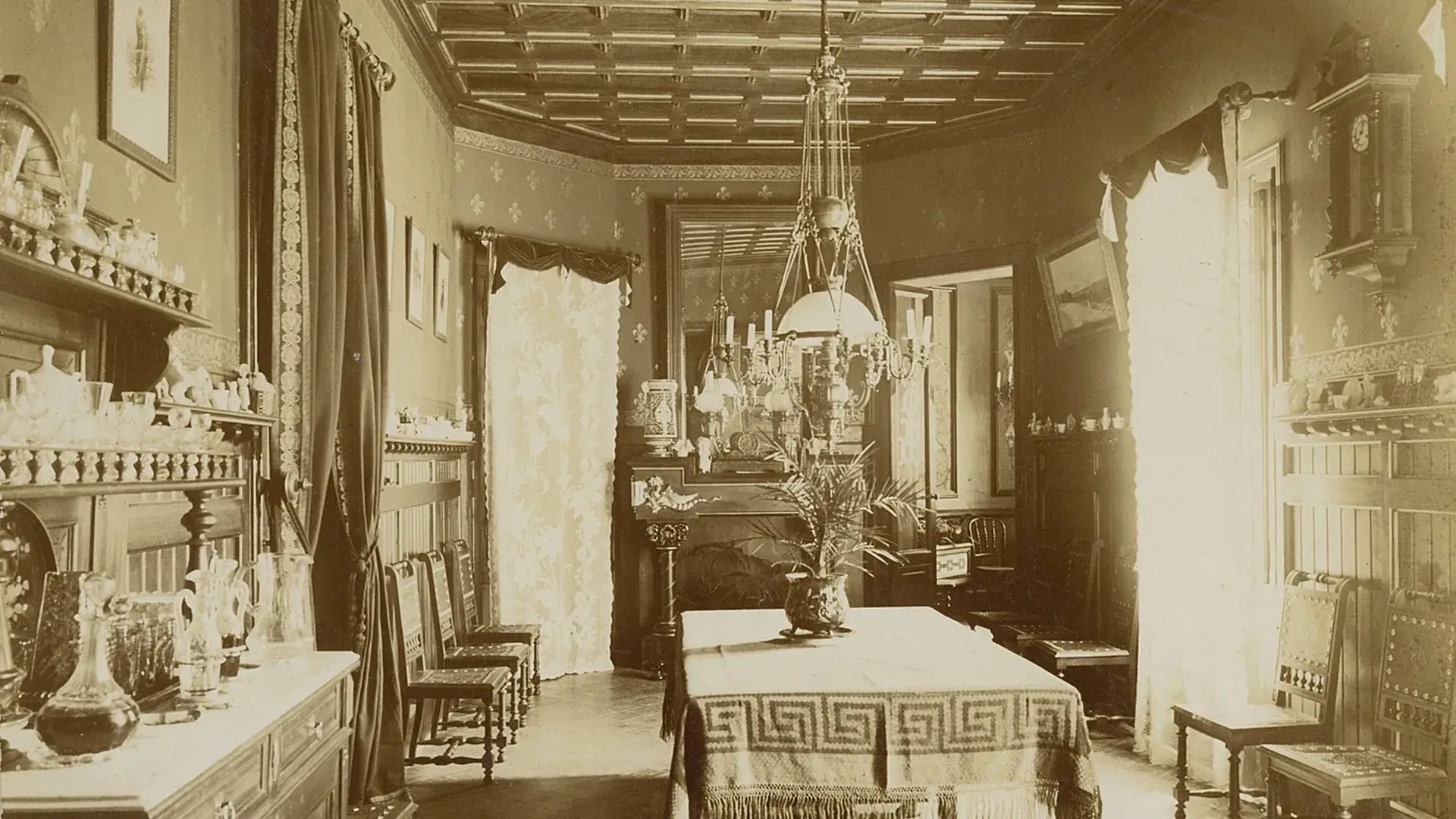
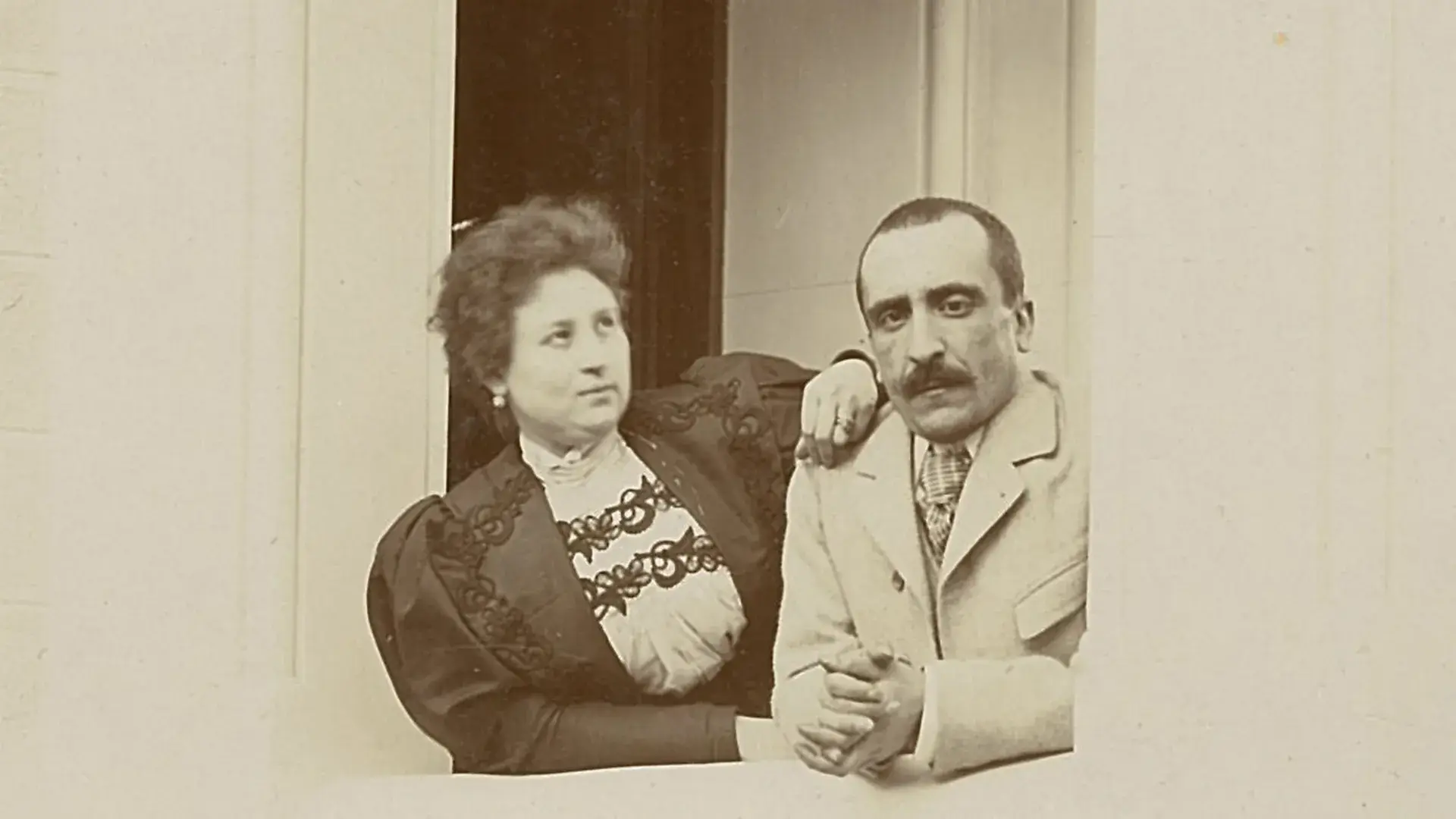
Bohigás, author of works as relevant as the Columbus Monument in Barcelona, erected “Can Severiano” in less than a year. The property was designed to be a private home. Severiano Virella himself lived in the house with his wife, his brother, and his three children: Severianito, Pepita, and María; in honor of the latter, her father had the property named “Villa María”.
Josefa Solé Claret was the wife of Severiano Virella, originally from Lleida and the daughter of a well-known landowner. At the age of 12, she was sent to Barcelona to a French boarding school and received the characteristic education intended for women of the high society of the time.
It was in Barcelona where she met Mr. Virella, whom she married before moving to Sitges. Josefa participated actively in different local activities, especially charitable ones.
The Virella-Solé marriage had three children. Severianito died of pneumonia as a child. Misfortune took its toll on the family, who also lost their daughter María at the age of 20, a victim of one of the occasional typhus outbreaks that ravaged Spain in the first decades of the 20th century. Fortunately, the youngest of the three siblings, Pepita, persevered and stood out notably as a concert pianist, even being considered a child prodigy.
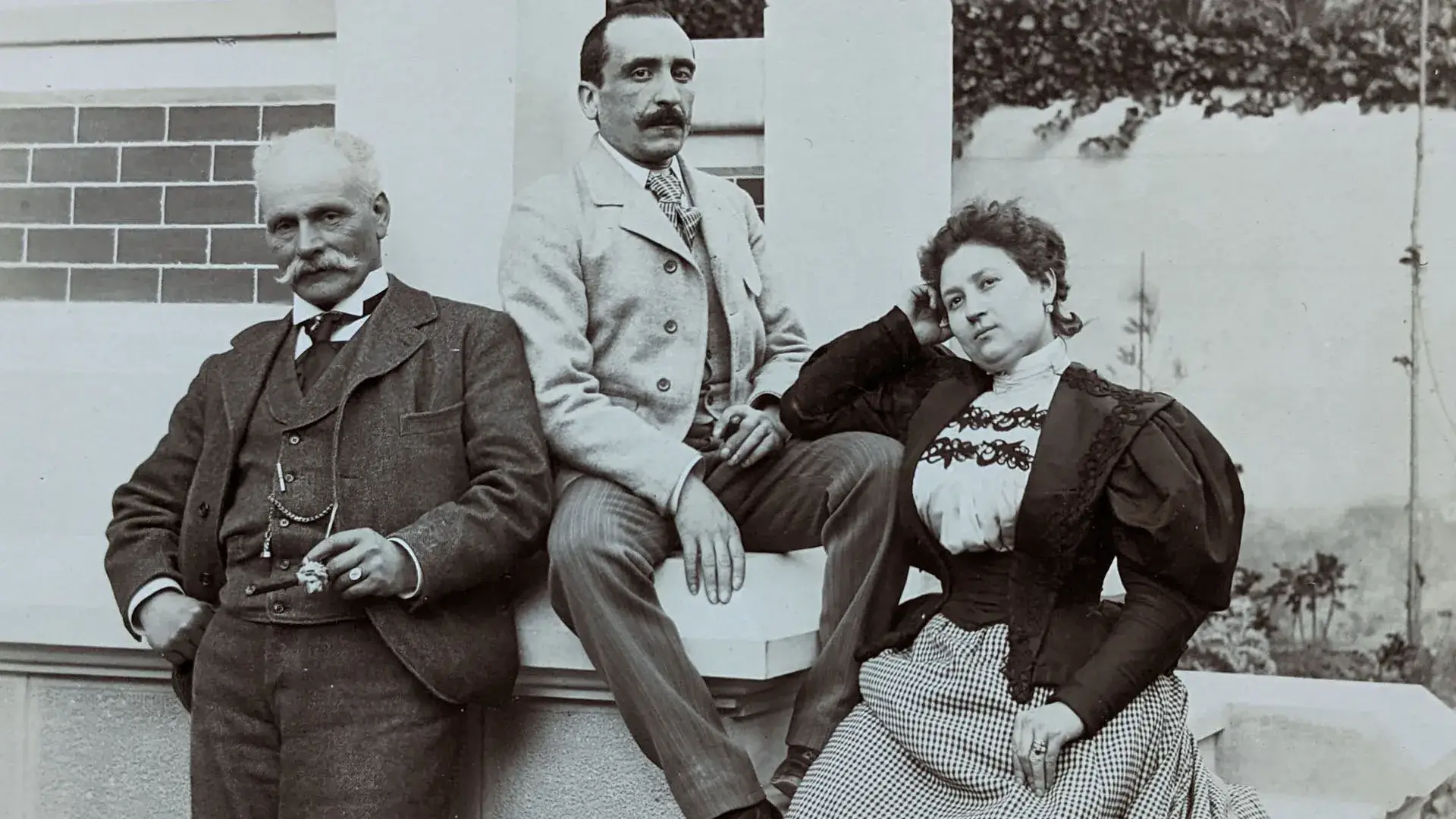
María José Virella Solé (Pepita) trained with professionals of the stature of Enrique Granados, Frank Marshall or Arthur Rubinstein, among others. At the age of 13, she managed to play at the Royal Palace of Madrid for Alfonso XIII and Victoria Eugenia of Battenberg.
The Virella-Solé family shared their home with another member of the family, Francisco Virella Cassañes (alias “Tío Panchito”), Severiano’s brother, a renowned opera critic and music historian in Catalonia, as well as a columnist for La Publicidad and a prominent member of several cultural institutions of the time. Francisco practiced as a lawyer in his early professional years, but a sudden onset of blindness caused him to abandon his legal career. He passed away at only 37 years of age.
For personal reasons, the family moved to Lleida temporarily. During this stay, Severiano passed away from a heart attack; Josefa, his wife, decided to return to Sitges and sell the house.
This is how, over the years and due to multiple changes in ownership, the building underwent substantial alterations to its structure. In fact, rooms of the house have disappeared and elements of the plot have been transformed, such as the carriage houses, a location where we today find the bar and the swimming pool. In its stage of greatest splendor, “Villa María” came to have nine domestic service staff.
The Hotel
In the 60s, the family home was converted into a hotel for the first time and played a significant role in the Sitges tourism boom under the name of Sitges Park Hotel.
In 2012, mediumhoteles took over the management of the hotel and modernised the facilities while maintaining the brand’s personality and offering all comforts, but always with respect for the original architecture.
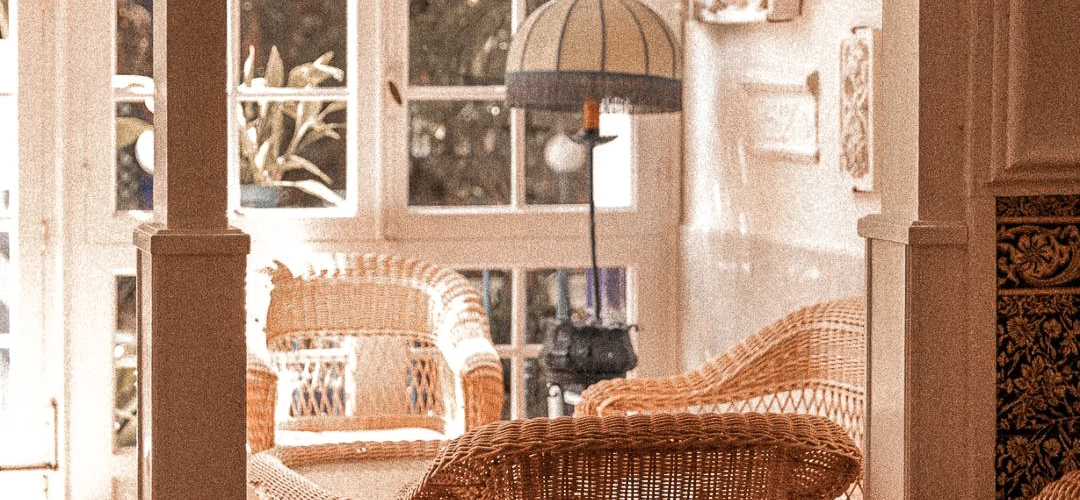
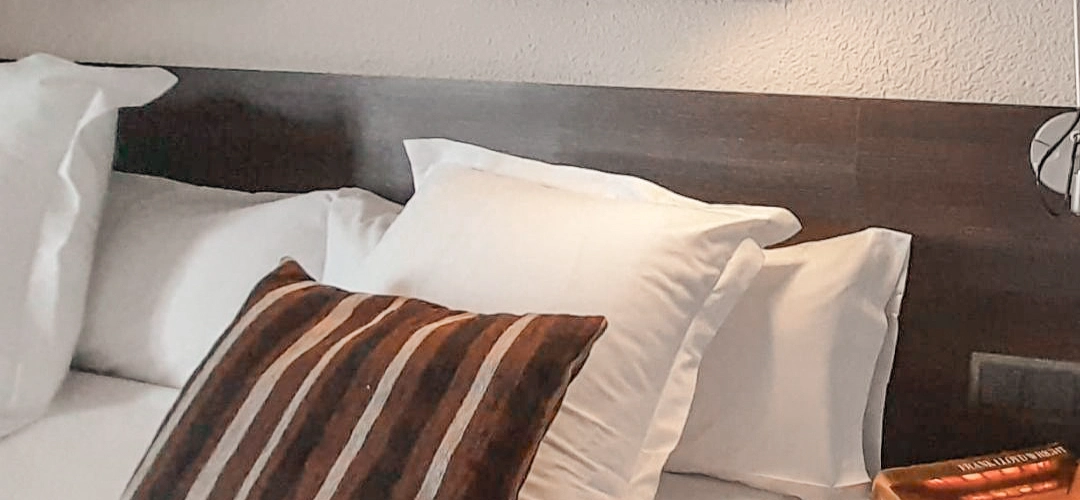
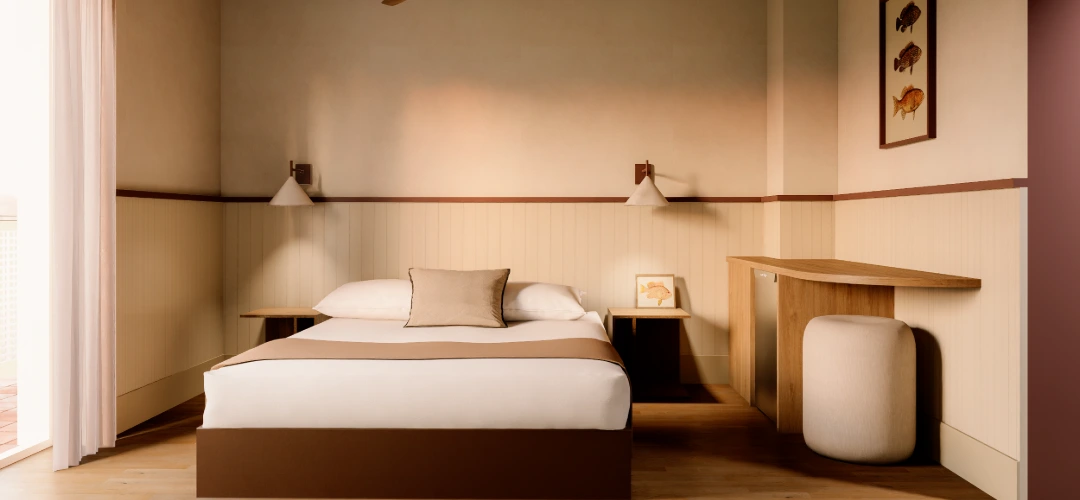
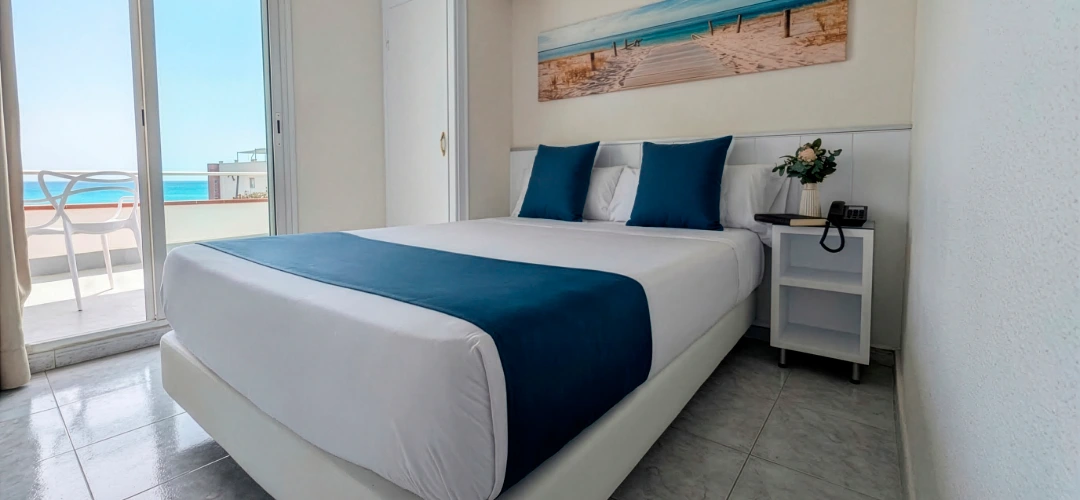
The hotel medium sitges park is very bright and is decorated in Mediterranean tones that follow the traditional nautical standards of Sitges and its well-known “blauet” (the town’s characteristic blue). We have adapted all our rooms to convey calm and relaxation. Enjoy an oasis of peace in the centre of Sitges.